
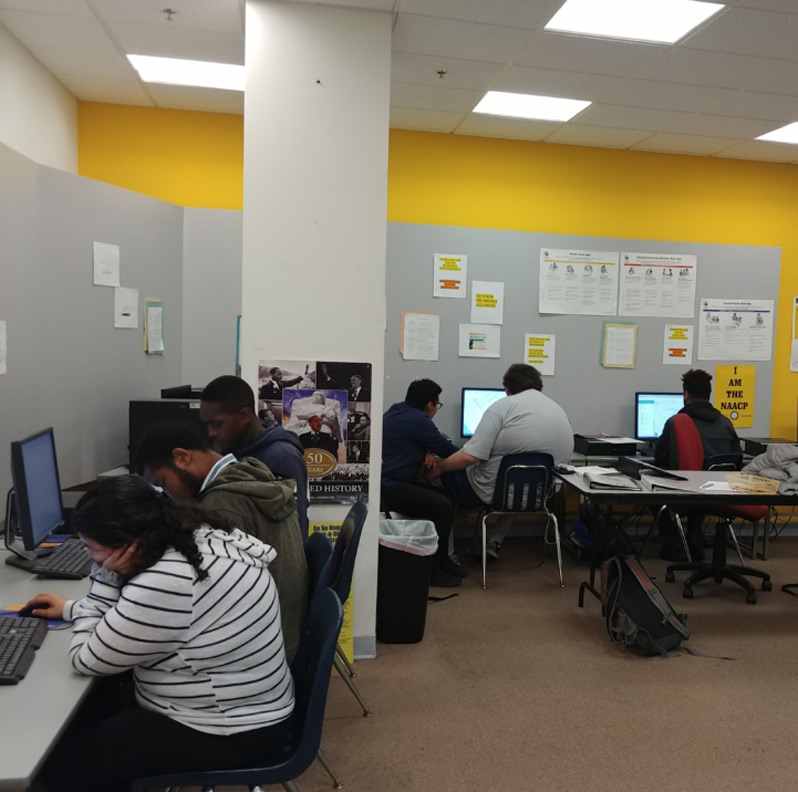
In today’s rapidly evolving work environment, embracing neurodiversity is not just a moral imperative but a strategic advantage. Neurodiversity refers to the natural variations in human brain function, encompassing conditions like autism spectrum disorder (ASD), attention deficit hyperactivity disorder (ADHD), dyslexia, dyspraxia, and others. Recognizing and valuing these differences can lead to more innovative, productive, and inclusive workplaces.
Understanding Neurodiversity
Neurodivergent individuals often possess unique strengths such as heightened attention to detail, strong pattern recognition, and creative problem-solving abilities. However, traditional workplace structures and cultures may inadvertently create barriers that hinder their full participation and contribution.
Strategies for Building Neuroinclusive Workplaces
- Leadership Commitment and Culture: Organizational leaders play a crucial role in fostering an inclusive culture. By openly supporting neurodiversity initiatives and modeling inclusive behaviors, leaders set the tone for the entire organization. Deloitte emphasizes the importance of leadership commitment in creating neuroinclusive workplaces (Deloitte Insights).
- Inclusive Recruitment Practices: Standard hiring processes may disadvantage neurodivergent candidates. Adjusting recruitment strategies—such as providing interview questions in advance or allowing alternative forms of communication—can help level the playing field. The Employer Assistance and Resource Network on Disability Inclusion (EARN) offers resources on inclusive hiring practices (EARN).
- Workplace Accommodations: Simple adjustments, like offering noise-canceling headphones, flexible work hours, or quiet workspaces, can significantly improve the work experience for neurodivergent employees. Lyra Health outlines various accommodations that support neurodiversity in the workplace (Lyra Health).
- Education and Training: Providing training for all employees on neurodiversity can foster understanding and reduce stigma. This education should cover the value of neurodiverse perspectives and practical ways to support colleagues.
- Employee Resource Groups (ERGs): Establishing ERGs for neurodivergent employees can create a sense of community and provide a platform for advocacy and support within the organization.
Benefits of Neurodiverse Teams
Organizations that prioritize neurodiversity often see enhanced innovation, problem-solving, and employee engagement. Diverse teams bring varied perspectives, leading to more creative solutions and a competitive edge in the marketplace.
Moving Forward
Embracing neurodiversity requires intentional effort and systemic change. By implementing inclusive practices and fostering a culture that values all types of thinkers, organizations can unlock the full potential of their workforce.